By Ella Flynn
The University of Tennessee Institute of Agriculture’s strategic plan emphasizes the importance of not only working to foster resilient and prosperous food systems locally and nationally, but also globally. Tennessee producers and agricultural businesses are working on that every day. We sought out different producers and businesses across the state to learn how they engage internationally. The following series highlights all the ways Tennesseans are fostering Real Life Solutions that have a global impact.

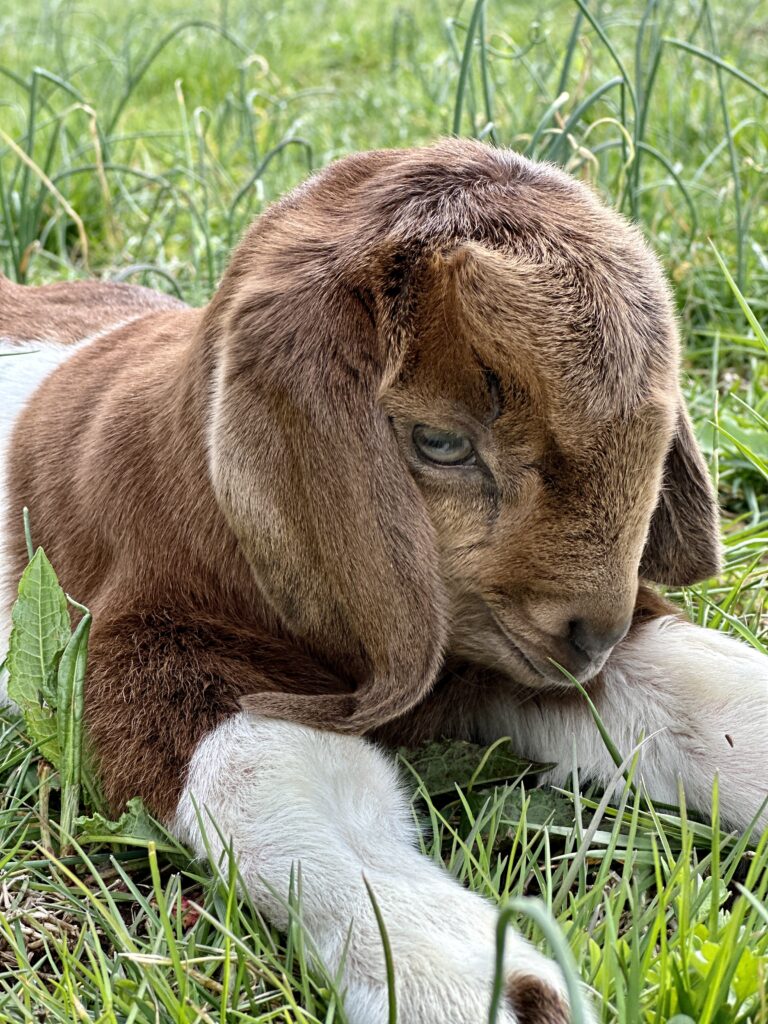
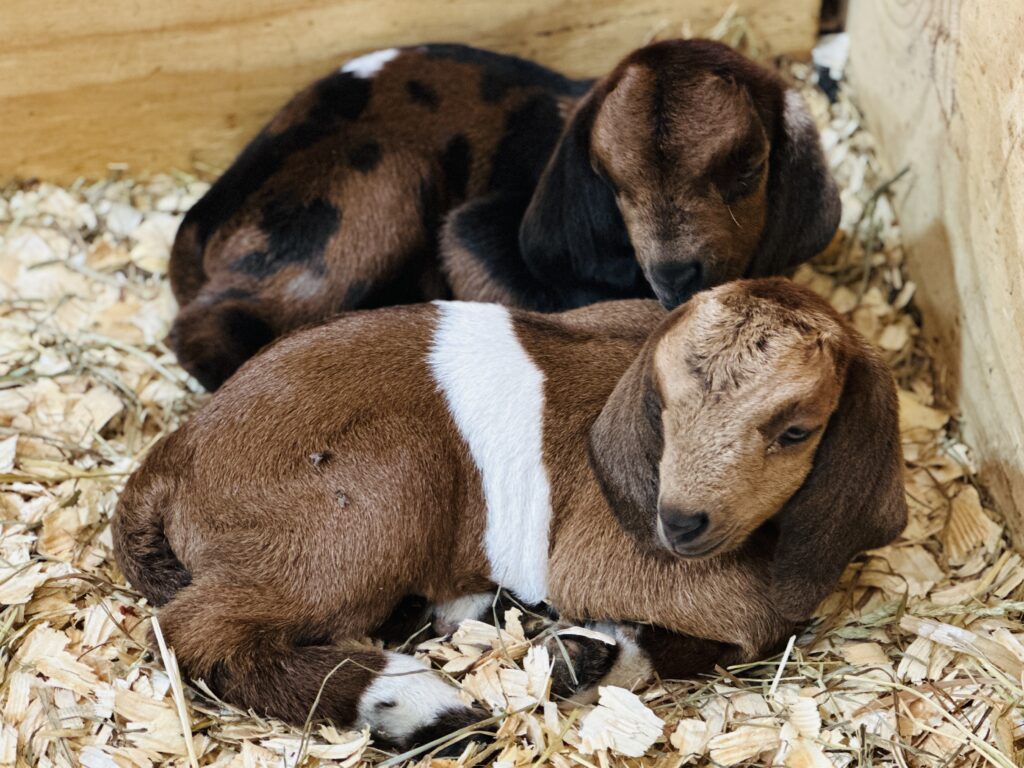
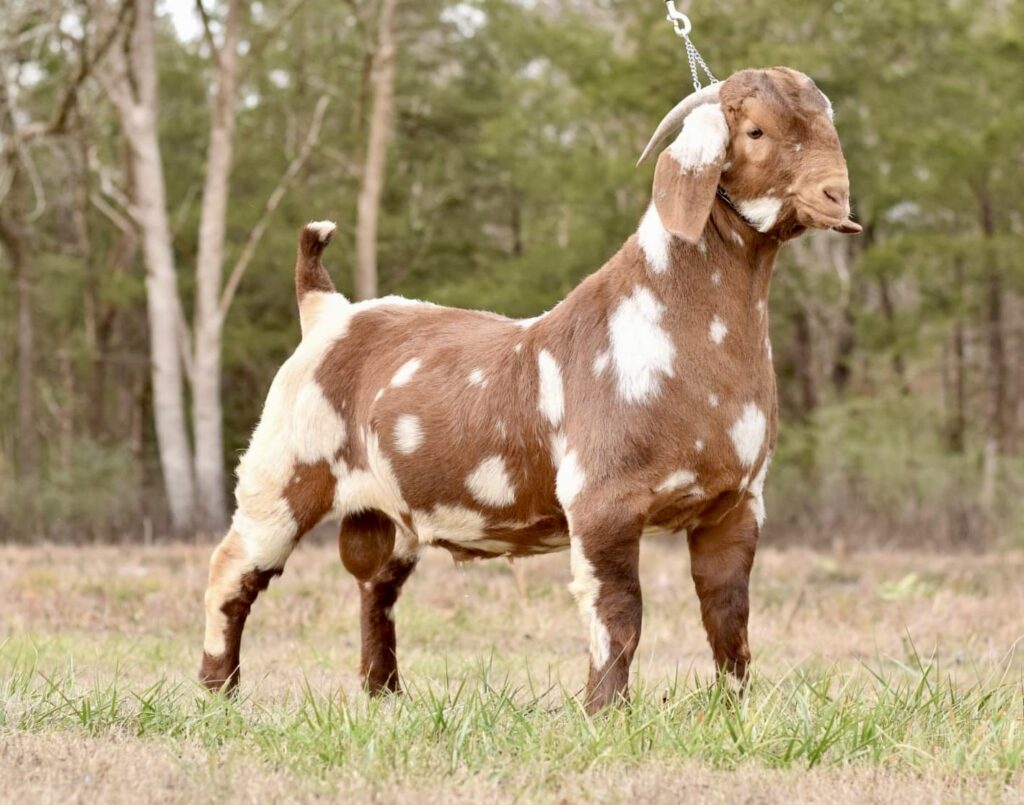
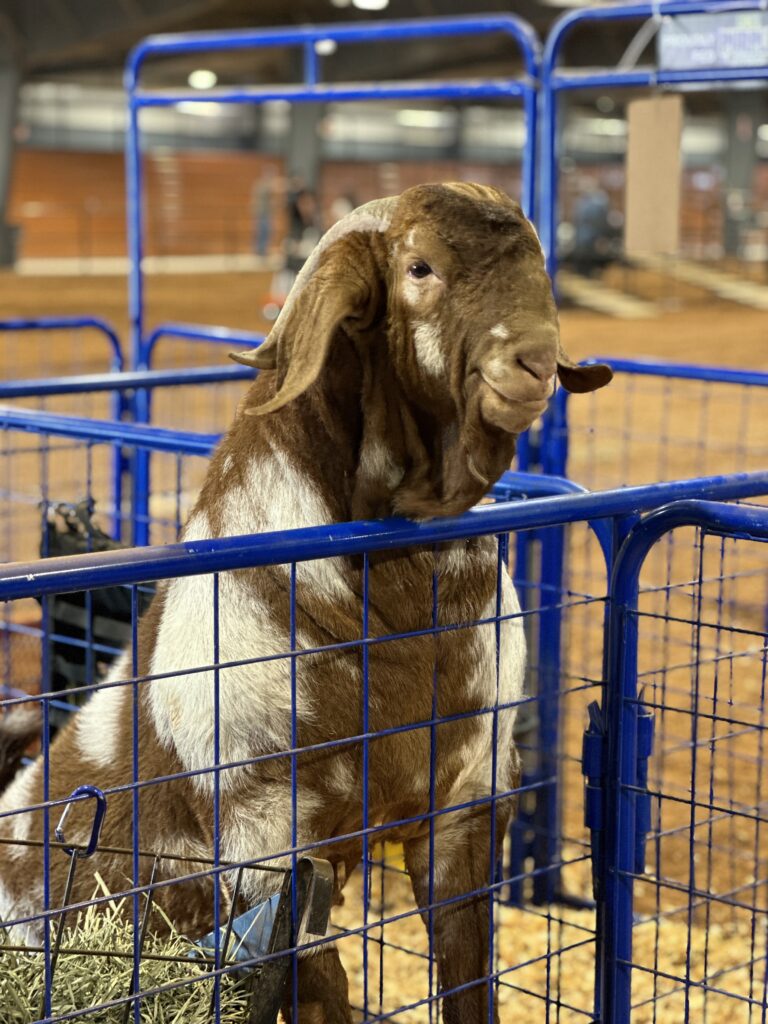
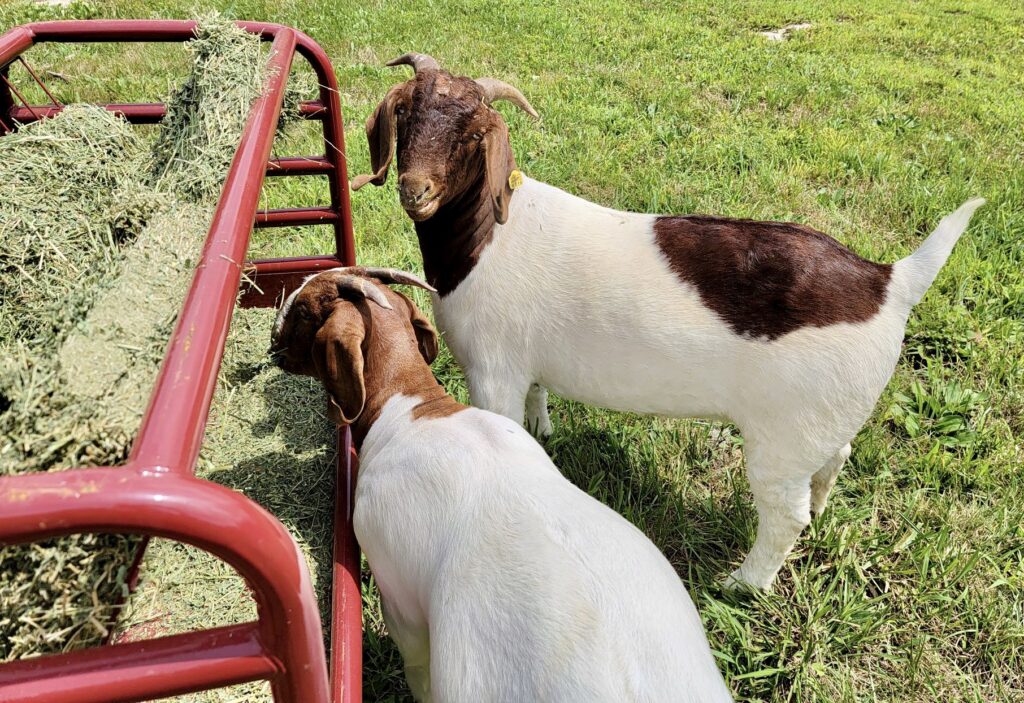
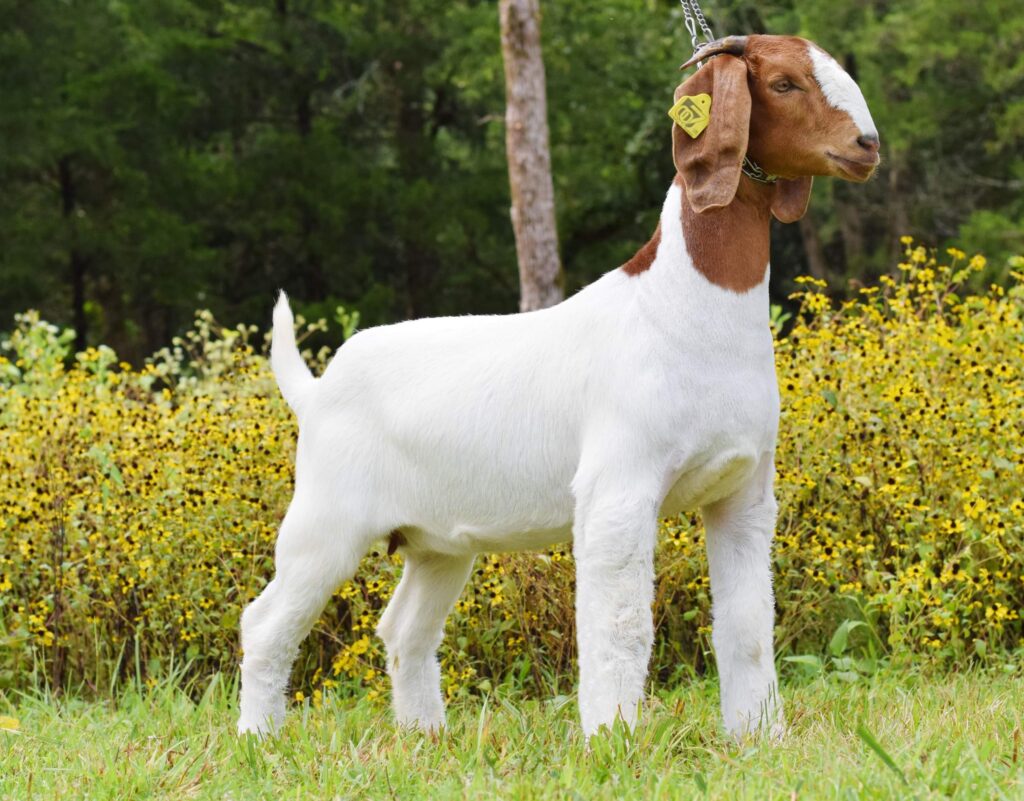
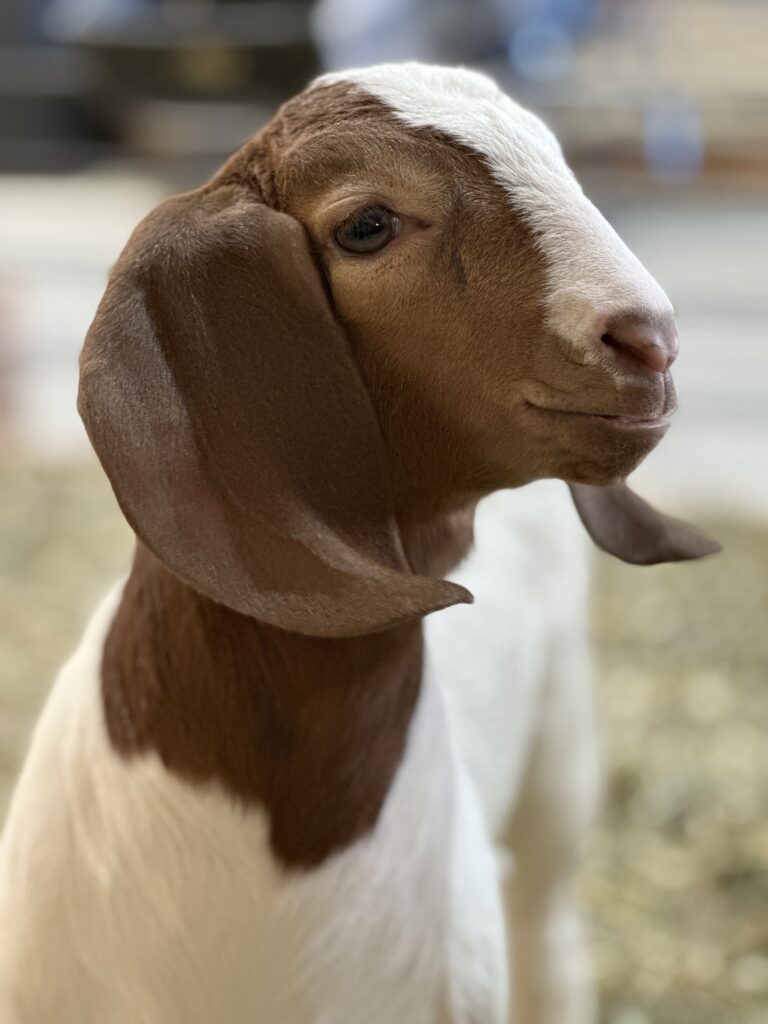
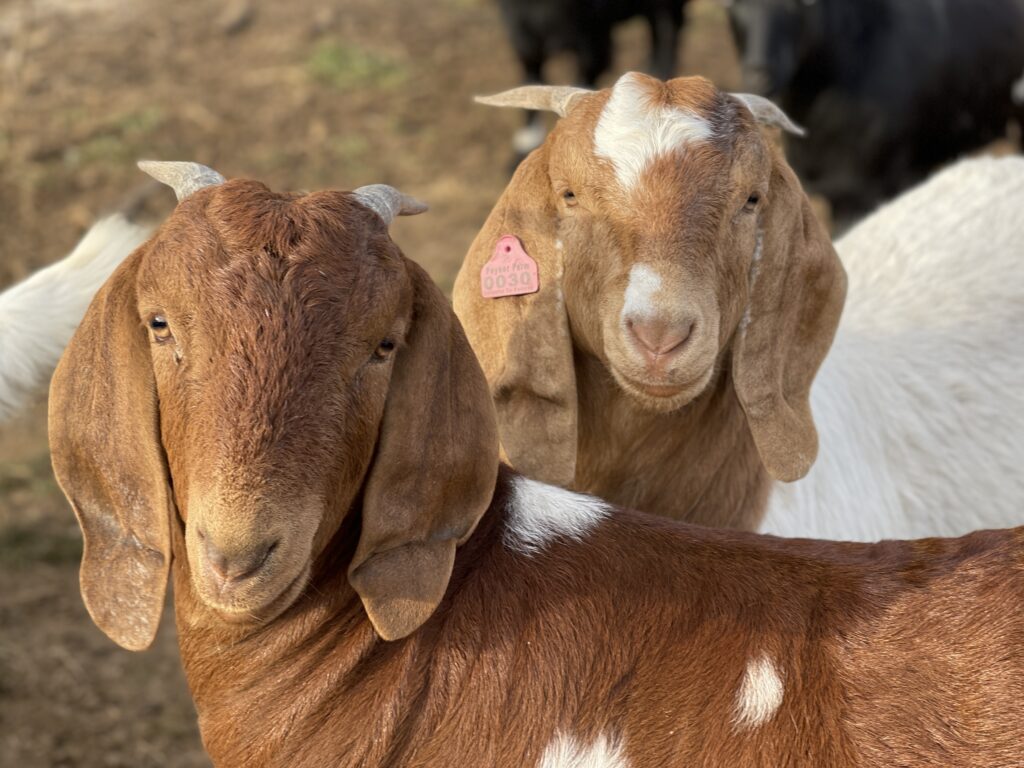
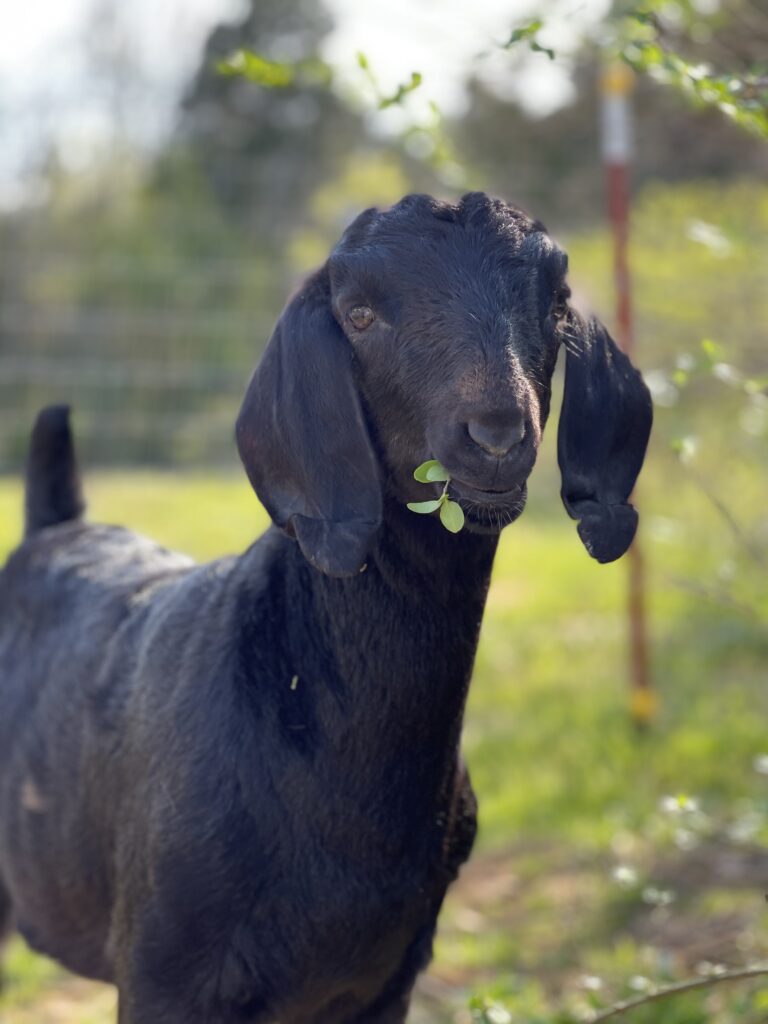
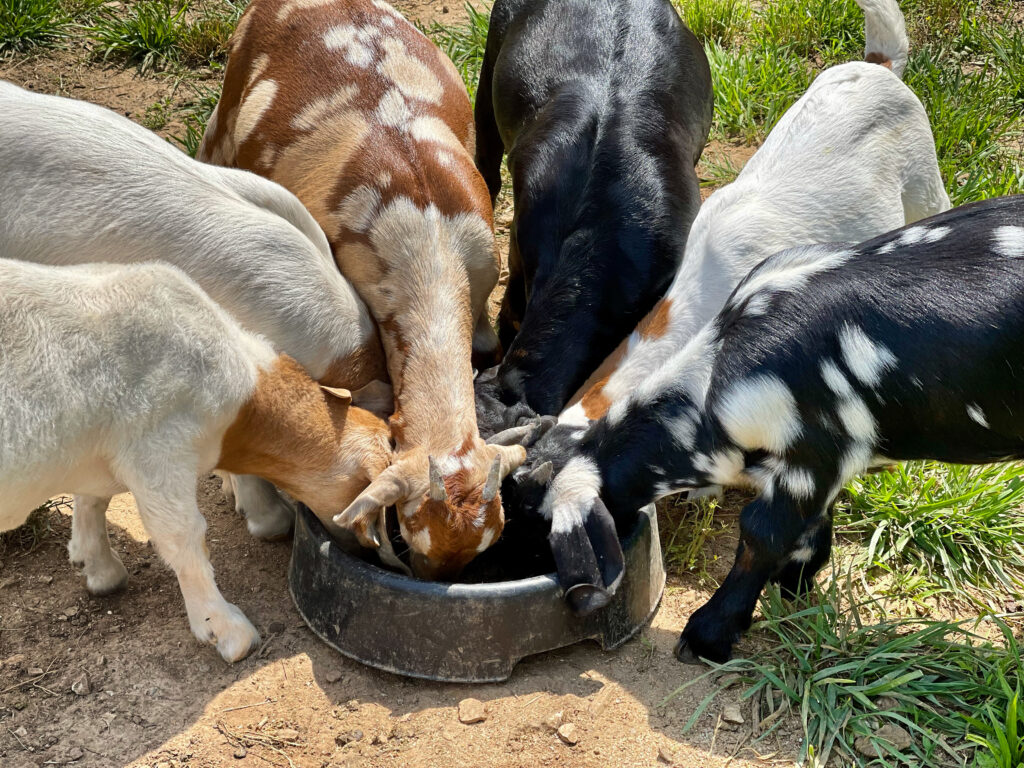
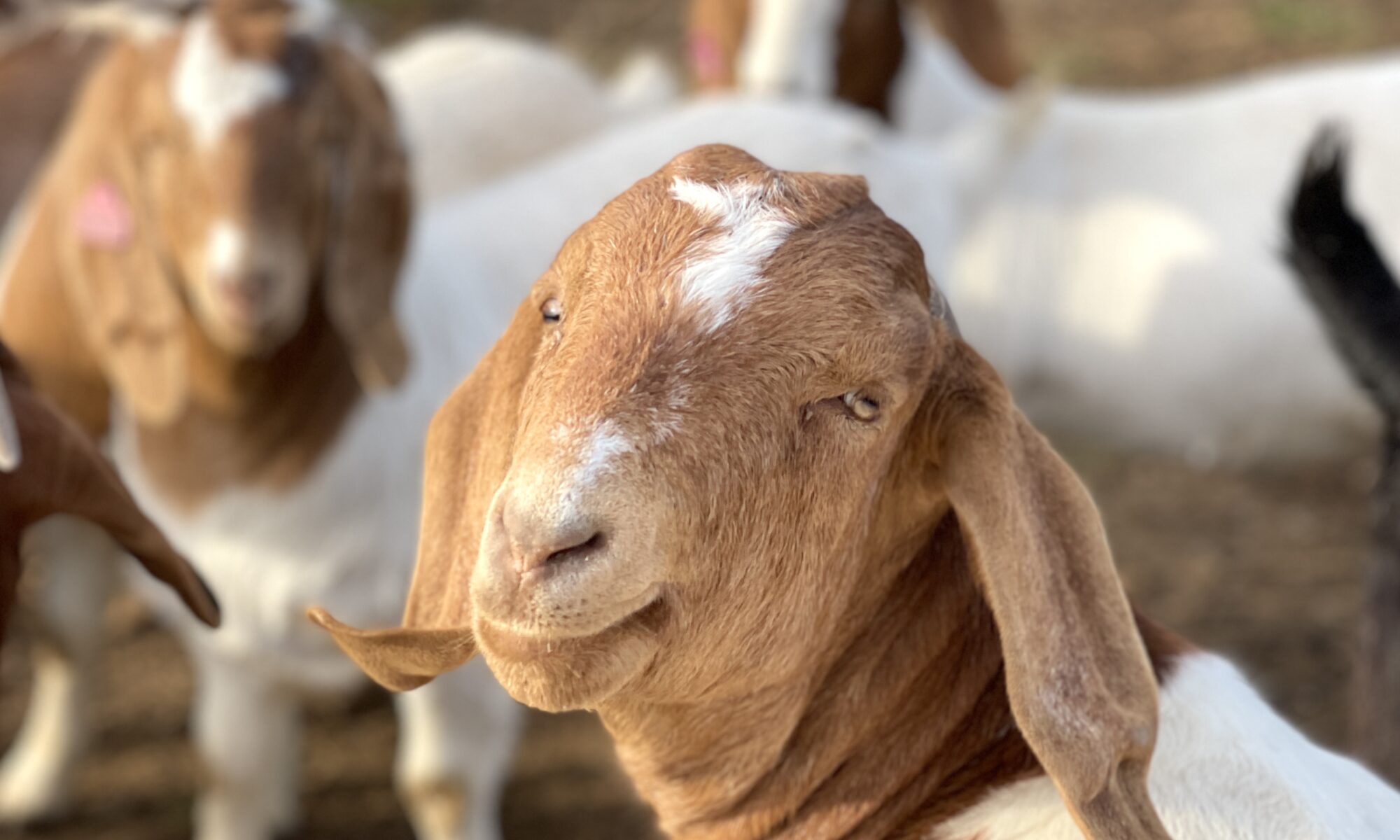
For Elizabeth and Kevin Mobley, what began as a way to build something meaningful for their family has grown into a business reaching far beyond Tennessee. Through 007 Boer Goats, their focus on quality genetics and intentional breeding practices quickly set them apart—opening doors they never planned for. Today, their goats are in demand internationally, supporting producers in countries like Jamaica and the Philippines as they strengthen and improve their herds. Their story shows how a strong foundation and clear purpose can lead to opportunities that extend well beyond the farm.
From the beginning, the Mobleys made a deliberate decision to prioritize quality over quantity. “One of our goals with getting into this field was to bring in the best genetics from around the United States and breed those genetics and then offer a product that had the best quality,” Elizabeth said. That focus became the foundation of their operation and positioned them to stand out in a competitive industry.
Their expansion into international markets wasn’t something they planned, but happened naturally as their reputation grew. Today, most of their goats are sold before they reach one year of age, with buyers located far beyond the United States. Through that experience, Elizabeth came to better understand the global role of the industry. “I’ve come to find over the past five years that the goat business is very universal and culturally rich… in other countries it can be the primary source of meat. And that is actually a beautiful thing.”
As demand increased, so did expectations. “We quickly found that our international buyers didn’t want just quantity anymore,” she explained. “They were really wanting to bring over a fresh set of genetics to help their herd be better health wise, production wise, and reproduction wise.” That need reinforced the value of the Mobleys’ approach and the importance of long-term herd improvement.
The impact of their work extends far beyond a single sale. “The goats we sell to Jamaica become a staple in their program for production,” Elizabeth said. “They’re gonna have babies and that’s a new genetic line they’re bringing to that island they didn’t have access to before.” Each export becomes part of a larger system, shaping herds for generations.
Their experience has also changed how they view opportunity in agriculture. “If you’re just limited to the state of Tennessee or just the United States, then you’re potentially missing out on a large growth opportunity,” she said. Even more notable, they reached this point without actively seeking international buyers. “We have not gone out and sought these international buyers. They have come to us.”
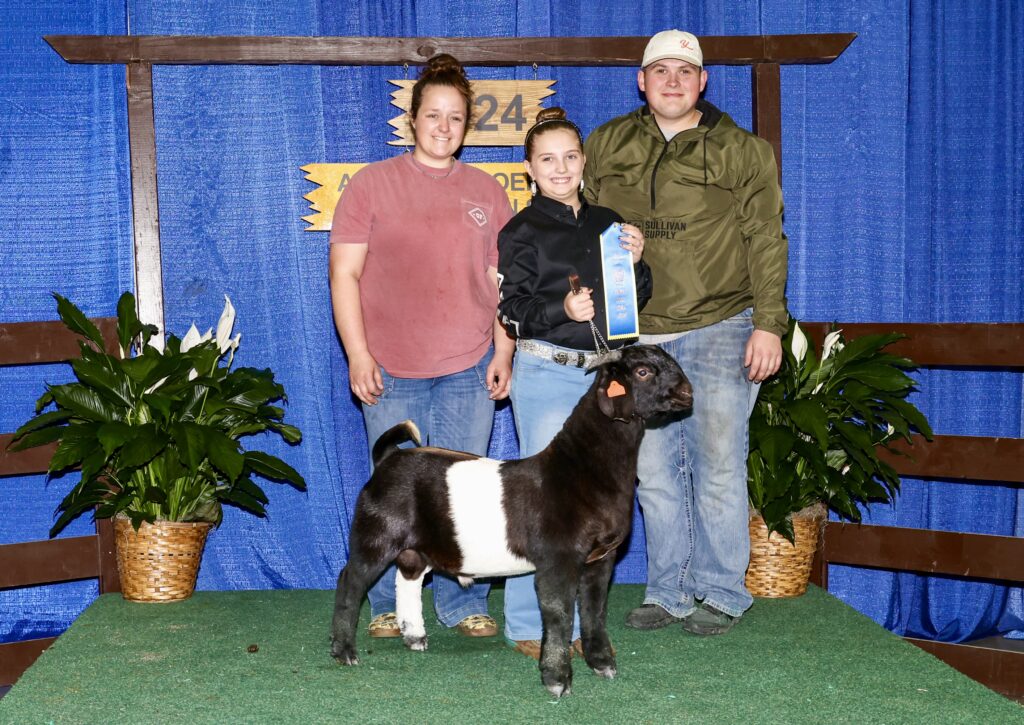
While their reach is now global, their roots remain local. Their goats continue to find success in 4-H competitions, reflecting the same quality that has driven their international demand. Their story aligns with the broader mission of the University of Tennessee Institute of Agriculture—showing how strong agricultural foundations can connect local operations to a global impact.