By Lily Rutherford
The University of Tennessee Institute of Agriculture sees its faculty make many groundbreaking contributions each year. One standout is Scott Lenaghan, a graduate of the Smith Global Leadership Fellows Program, whose international impact continues to grow. As co-director of the Center for Agricultural Synthetic Biology (CASB) and an associate professor in the Department of Food Science, Lenaghan exemplifies the mission of the SGL Program by finding avenues to globalize his work.
His innovative research in synthetic biology, primarily funded by the Defense Advanced Research Projects Agency, explores both plant and non-plant systems using computer-based tools to design and install DNA into living organisms. Under Lenaghan’s co-leadership, CASB is driving advancements to improve crop plants and food-associated microbes in support of global health and sustainability. His recent recognition through a prestigious international grant award further highlights the far-reaching impact of his work.
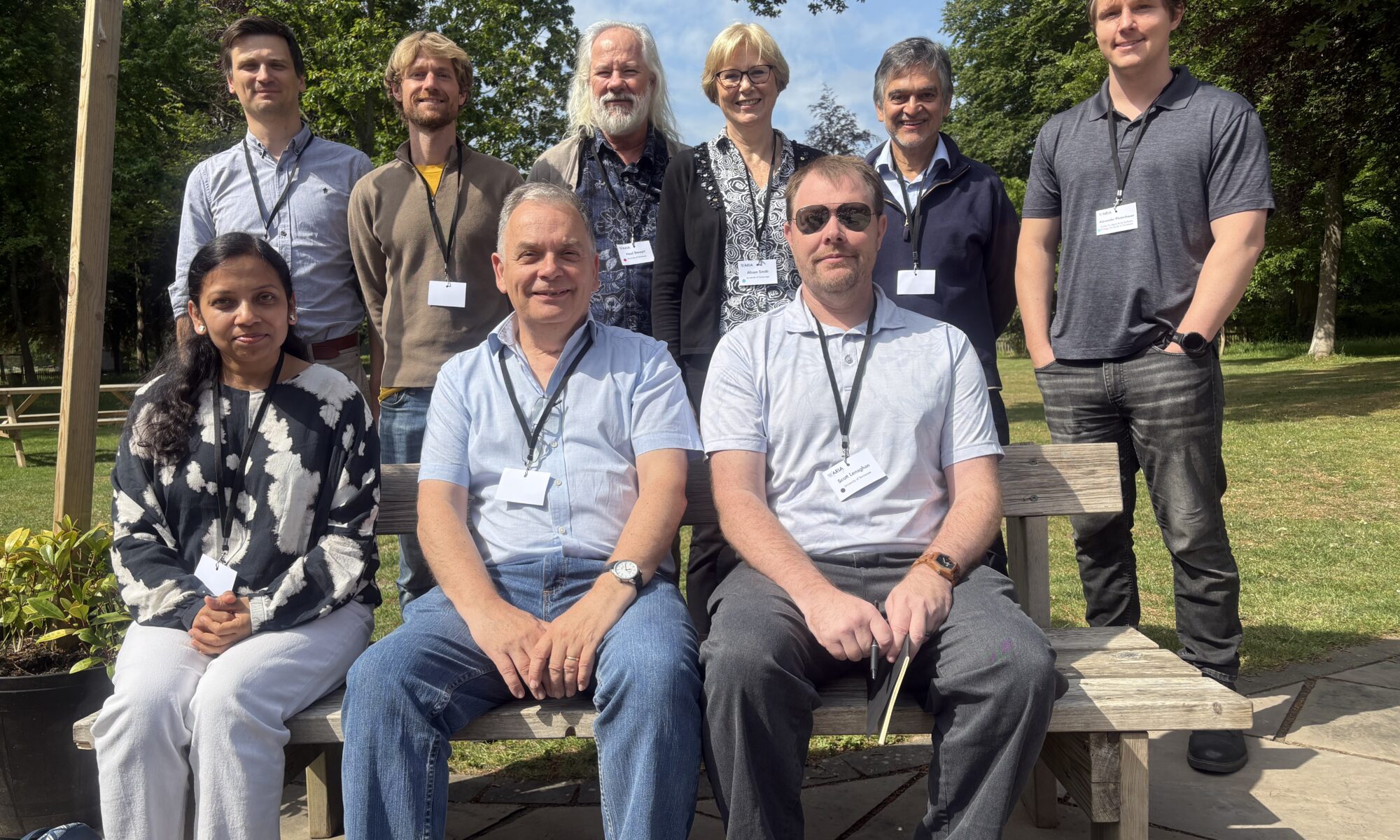
Lenaghan originally joined the Institute as a research assistant professor and has now been at UT for sixteen years. As part of the 2022–2023 SGL Fellows cohort, he deepened his commitment to expanding his research through international collaboration. During the program, he cultivated key partnerships at University College London (UCL), culminating in a significant grant award from the UK-based Advanced Research and Invention Agency (ARIA), as part of its Synthetic Plants program.
This new grant builds upon a previous one from 2016 called Synplastome, which aimed to engineer a fully synthetic chloroplast genome. The latest phase of the project, named Synplastome 2.0, acts as a second-generation version of its predecessor. The $11.9M three-year initiative is divided into two phases and is co-led by Lenaghan and Saul Purton, a professor at the University College London.
“The main goals of the grant are to generate a new generation of crops that are more productive, resilient, and sustainable,” said Lenaghan. “Our target plant is potato, a staple crop grown worldwide. Any improvements in resilience, productivity, or yield are important for addressing the challenge of sustaining a rapidly growing global population.”
He further explained, “Synplastome 2.0 aims to design, construct, and deliver a synthetic version of the entire chloroplast genome into potato plants.”
The grant also involves collaboration with colleagues at the Massachusetts Institute of Technology, Quadram Institute, the University of Cambridge, Bright Biotech, the MRC Laboratory of Molecular Biology, and Holzer Consulting, which gives the project a more interdisciplinary approach. With this context, the Smith Center inquired into the project’s impact on Lenaghan’s lab, and on UTIA at a broader scale.
He commented, “For UTIA, my group is very used to these types of projects, so I think this global research will allow team members to expand their expertise and to look for additional transition partners, whether it be in governments, academia, or industry. Projects like these are also excellent training grounds for graduate students and postdocs.”
Reflecting on his time as an SGL Fellow, Lenaghan underscored the program’s role in shaping his international engagement strategy.
“What I got from the SGL program was identifying opportunities for external funding. We looked for research opportunities that led to some investigation with researchers that were in the UK, and that kind of transitioned into making the connections I think helped lead to this successful grant application.”
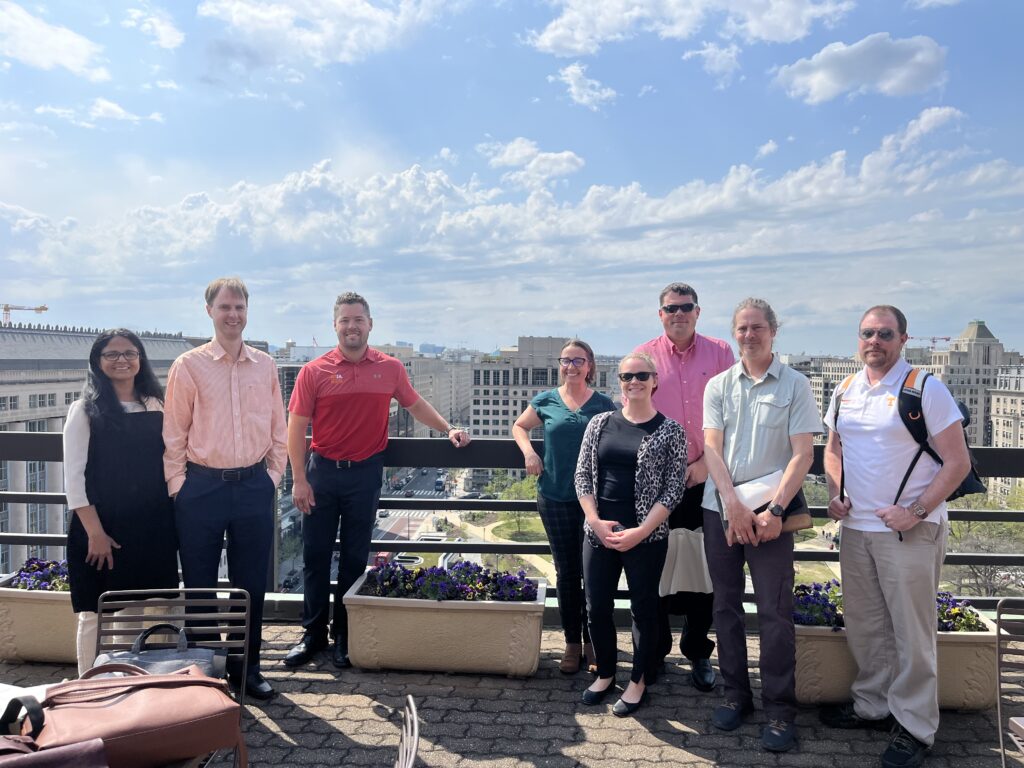
He added that visits to Washington, D.C., as part of the fellowship, provided valuable insights into the broader funding landscape, including meetings with representatives from the National Science Foundation (NSF) and the U.S. Department of Agriculture (USDA). Lenaghan also noted that interacting with the rest of his cohort allowed him to learn about the diverse range of global research projects underway across UTIA. He stated that global engagement opportunities have acted as a metric for disseminating his work throughout the international research community.
“I think international collaboration is important for research because you get different people with different backgrounds who bring different perspectives to solving research problems,” Lenaghan explained. “The wide range of people tends to give you a variety of ideas with which to work towards solving problems.”
Lenaghan’s achievements exemplify the mission of the Smith Global Leadership Fellows Program: to foster global research partnerships that drive innovation and strengthen UTIA’s impact worldwide. The Smith Center looks forward to seeing how the impacts of this program continue to shape the future of agricultural research on a global scale.