By Lily Rutherford
Julie Sheldon, a clinical assistant professor in the Department of Small Animal Clinical Sciences, was a part of the 2023-2024 Smith Global Leadership Fellows Cohort. With the mission of providing faculty fellows with knowledge, experience, and networking opportunities, the program aligned perfectly with her own aspirations and current goals.
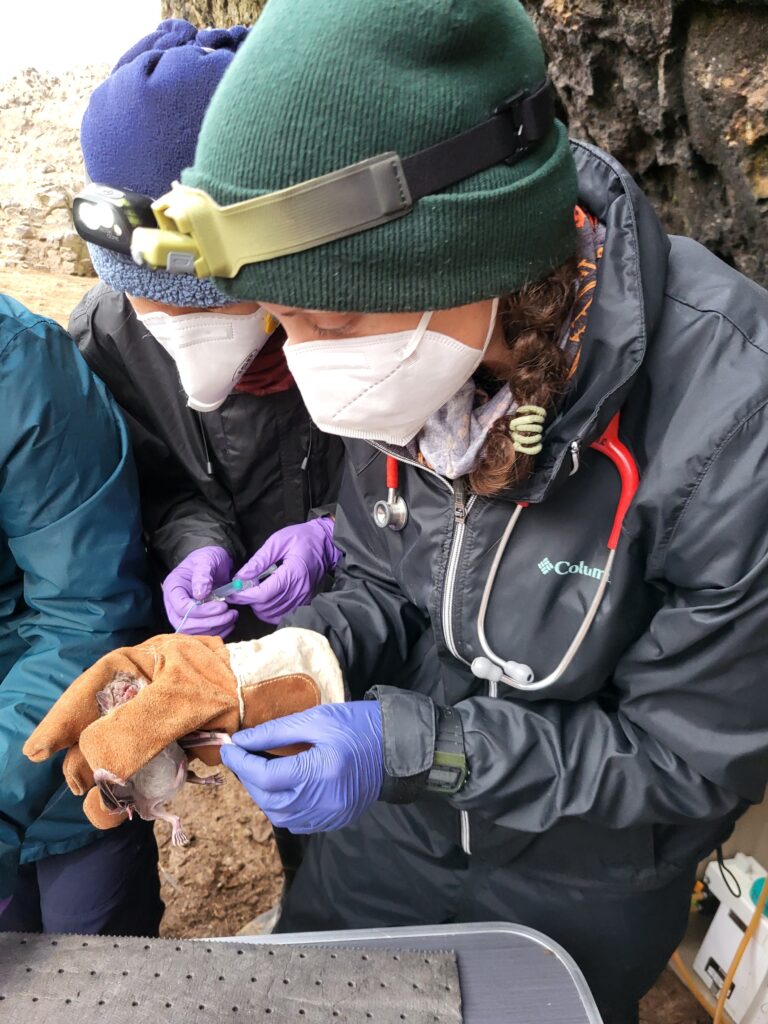
Sheldon was able to forge global veterinary connections right after she finished vet school by partnering with the Punta San Juan Program in Peru. This relationship ended up being a global point-of-contact for using the support gained in the SGL program to build out her current research.
She remained involved with the program throughout her residency, at the Brookfield Zoo in Chicago, and since, has joined the University of Tennessee College of Veterinary Medicine.
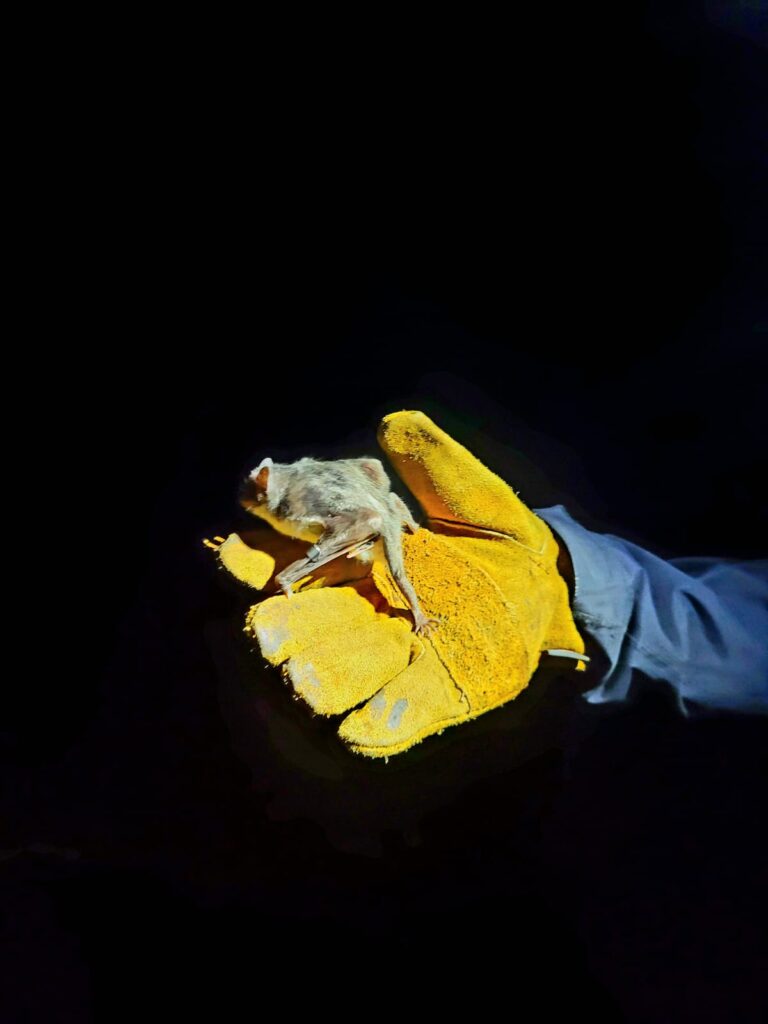
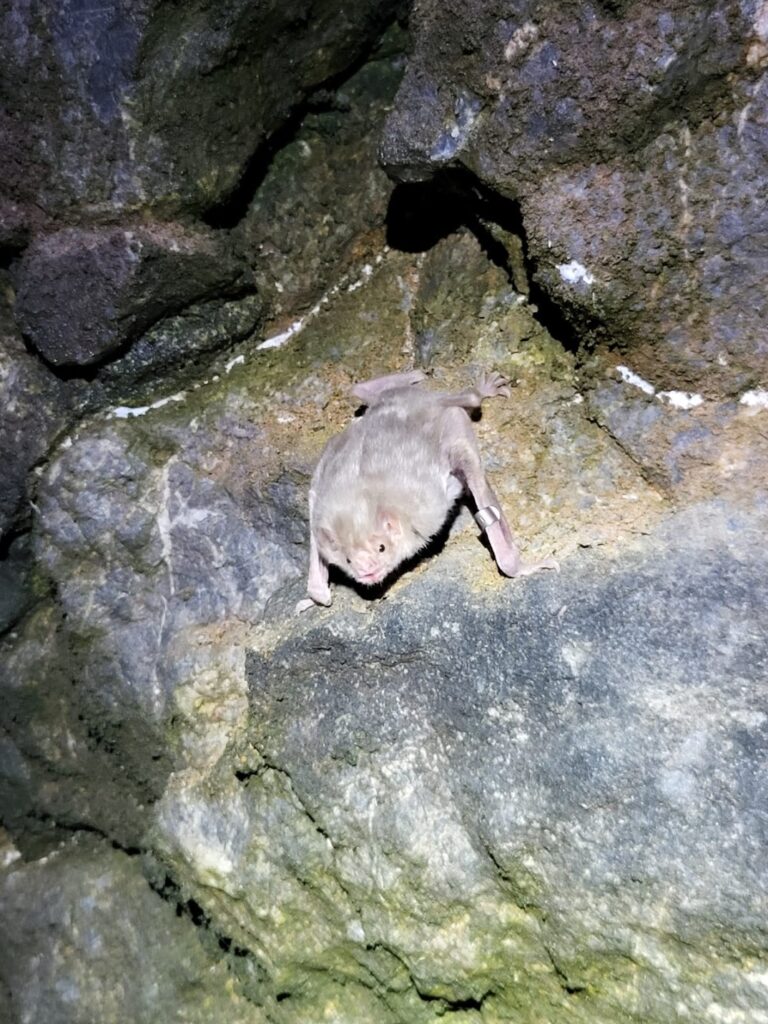
Sheldon’s participation in the SGL program has allowed her to continue to build on her research partnership with her Punta San Juan colleagues. Her work was the second phase of the first ever vampire bat exams in Punta San Juan. Not only making history in the field, Sheldon was taking part in many firsts for the entirety of UTIA with this work.
For decades, she and other researchers have studied birds such as penguins, boobies, cormorants, and pelicans in the region. However, this is the first research expedition dealing with vampire bats in the area specifically. This phase was essentially one of more pointed and purposeful research within the realm of these unique bats.
These birds and bats are all native to a 133-acre marine protected area and guano reserve in coastal southern. Sheldon explains that “The reason this place exists right here is because Humboldt currents right off the coast bring in all this cold ocean water and an upwelling of nutrients.”
This water provides the perfect place for animals to feed and breed, and the caves and cliffs in the area supply vampire bats with shelter while the region naturally draws in prey. Considering these factors, selection of this location and subject matter was a strong choice for studying vampire bats.
Sheldon engaged with the Brookfield Zoo, the Punta San Juan Program, and the University of Glasgow to work on her SGL fellowship project. She aimed to assess vampire bat populations that feed on multiple threatened marine species in that area.
I-Ting Tu, a PhD student from the University of Glasgow, was interested in studying the relationship between vampire bats and marine mammals as well as viral transmissions. Together, their goals were to investigate their overall health and test for important viruses such as rabies and avian influenza.
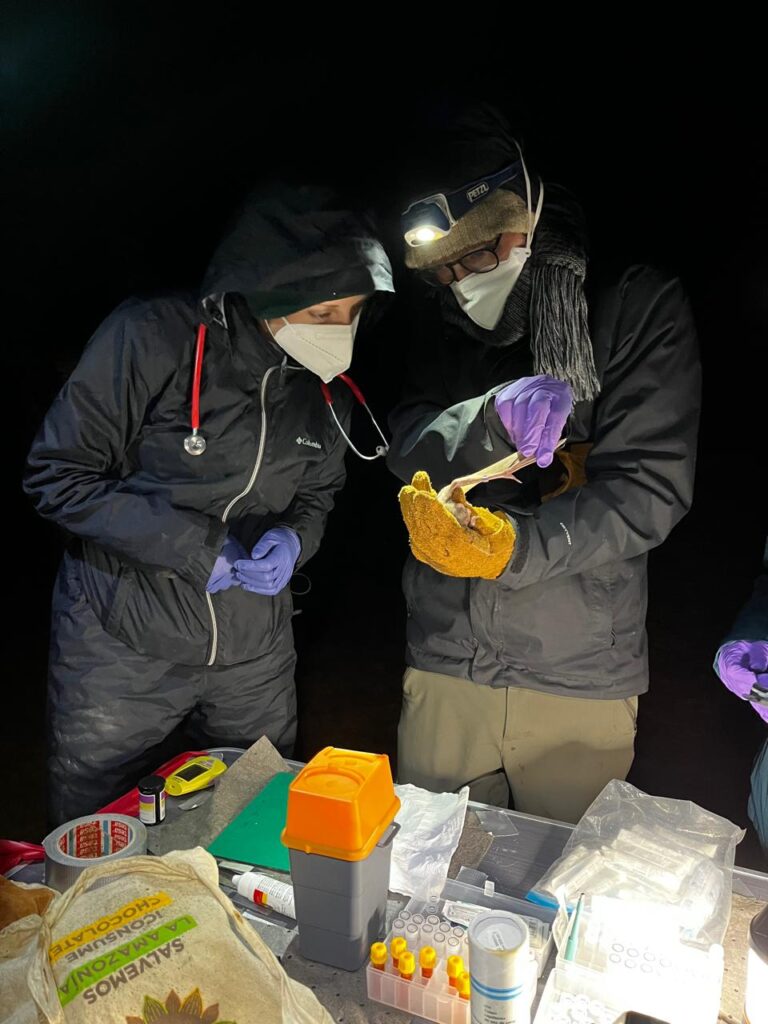
Sheldon worked on the veterinary health exam side while they completed the sample collection. This collaboration allowed her to ensure the safety of the bats and record any issues or lesions.
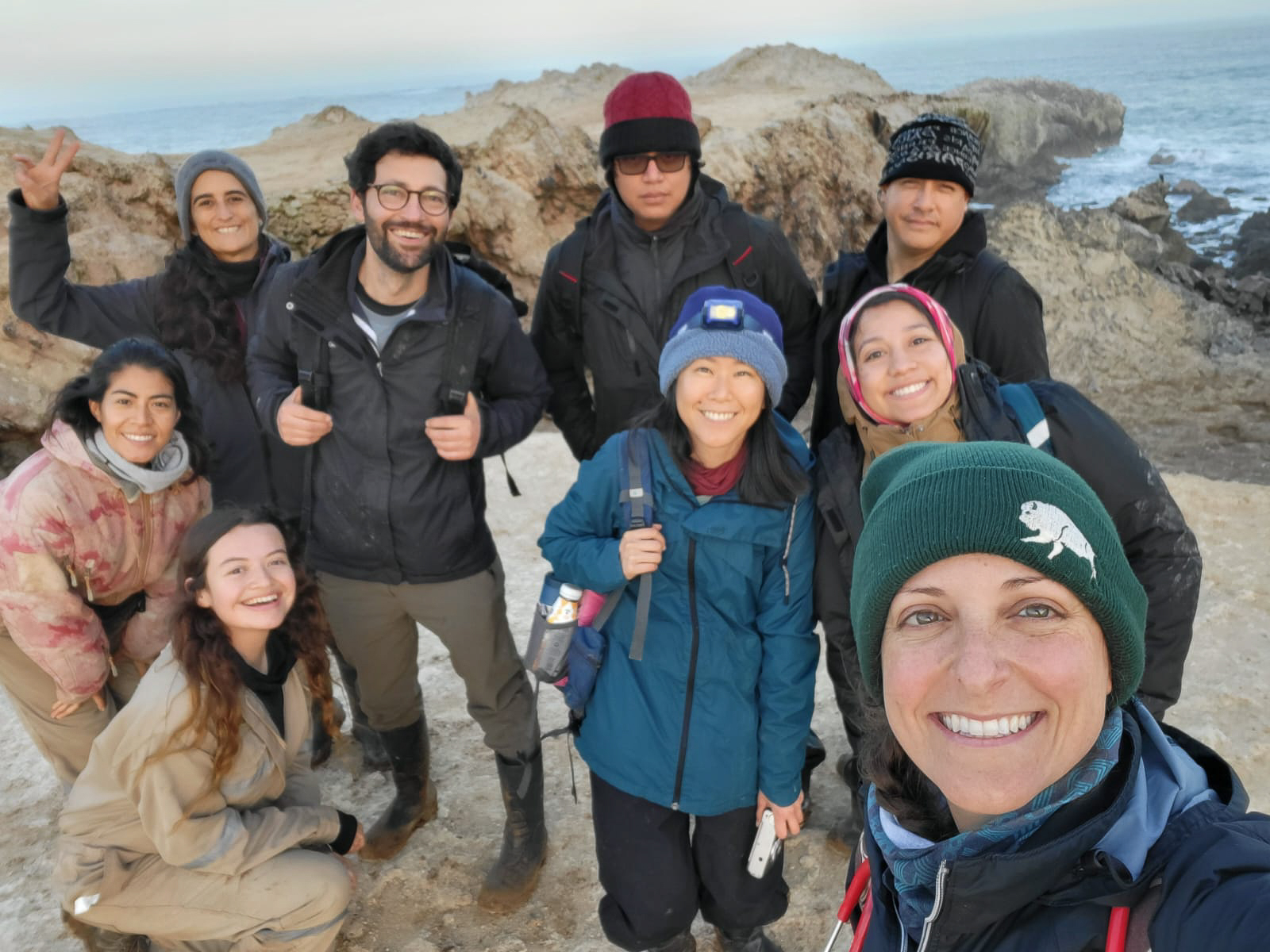
The group traveled to Punta San Juan twice to sample this bat population, and was composed of Sheldon, I-Ting Tu, Susana Cárdenas-Alayza (Punta San Juan program director), Daniel Streicker (University of Glasgow bat research lab director), and several skilled bat biologists. The first visit was during an El Niño event when the water was warmer, leading to presence of less prey for the bats, consequently making them hungrier.
The resident research team at Punta San Juan reported bats feeding during the day, which is considered abnormal for the species. By the second visit the El Nino event had ended, and the bats “seemed to be far healthier, their skin and hair looked healthier and fuller,” according to Sheldon.
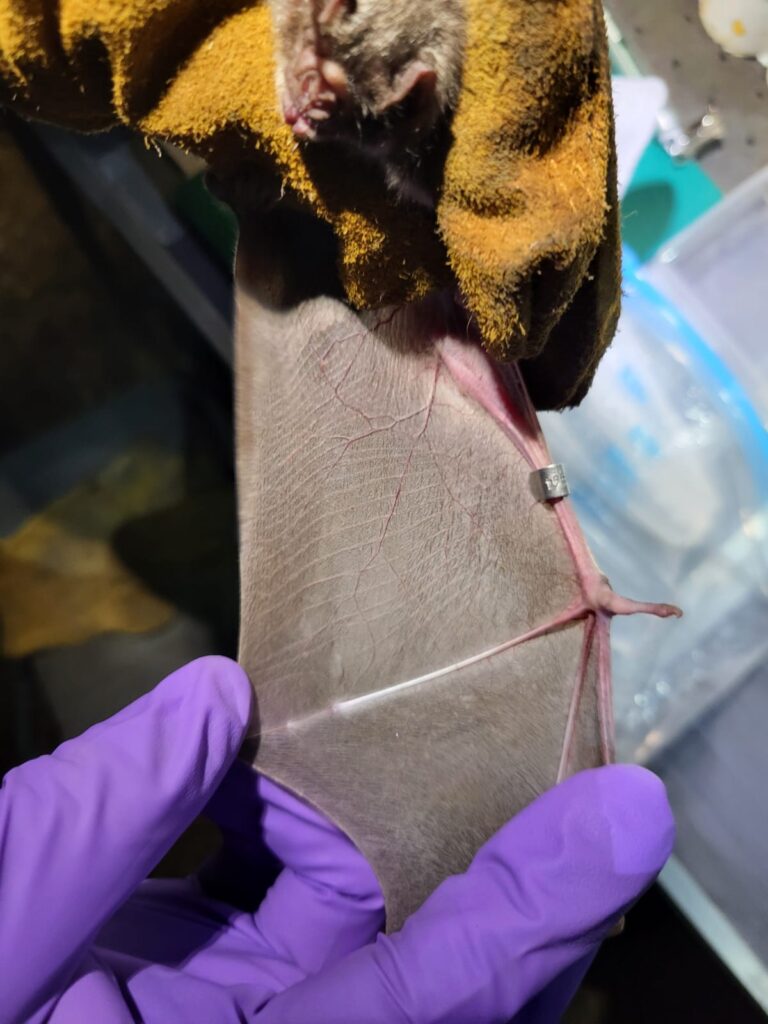
These trips allowed Sheldon to establish a baseline for the health and wellbeing of the vampire bat population. She was able to record their sex, weight, blood count, blood lactate concentrations, and overall distribution for the species, a feat that had never been done before.
This has shown researchers the implications of bats in the overall ecosystem, but also specific interactions with fur seals and Humboldt penguins long term.
Research like this has allowed for the examination, sampling, tagging, and releasing of a hundred bats over the two field sampling seasons. Continuing the upkeep of their studies, Sheldon and the researchers are currently working to submit samples for further testing.
Overall, these findings contribute to a gap in the literature for the Punta San Juan Program regarding this fragile and unique ecosystem. Sheldon plans to continue her contributions to health assessments and outbreak response efforts in Punta San Juan; she hopes to incorporate more UT faculty, staff, and students to continue global projects.
When asked about her experience with SGL, Sheldon said, “I think that the Smith Center team being so supportive and open to us working anywhere in the world is important.” SGL encouraged Sheldon to be global, she expresses wanting to take students down to make a long lasting impact and empower them by “coming back with those stories and skills to inspire them to expand their horizons and try things and go to new places and learn.”
One of the SGL program’s greatest benefits lies in its ability to build lasting global networks. Sheldon will be able to build upon the impact of this research and the connections she formed through this experience in the future. In doing so, she is contributing to the Institute’s mission to foster Real. Life. Solutions both in Tennessee and around the world.
Follow along with this SGL highlight series to see how other faculty fellows are using this program to grow global in their fields!
Join us to learn more about the global engagement taking place across the Institute at the 2025 UTIA International Showcase on Thursday, September 11 from 12:30 – 2:30 pm on the first floor of the Agriculture and Natural Resources Building. This event will include a highlight of Herbert College’s study abroad programs, the chance to vote on our top International Photo contest submissions, tables that highlight the global engagement taking place across the Institute as well as within our own Knoxville community, a silent auction item that supports study abroad opportunities, and not just a FREE Capybara Coffee tasting, but also Italian ice! Stop by to celebrate another year working to #GrowGlobal at UTIA!