By Lily Rutherford
“The preservation of wildlife is not only essential for maintaining Belize’s natural beauty, but also for ensuring a future where animals and humans coexist in harmony.”
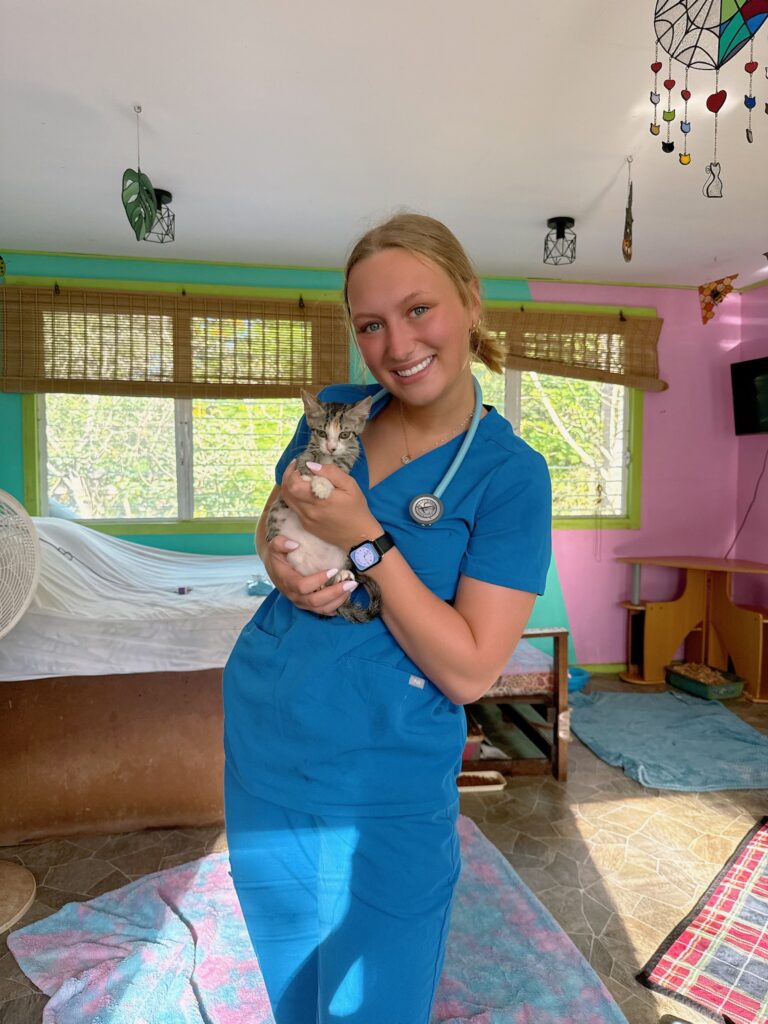
As said by the Belize Audubon Society, preserving wildlife is vital to creating a future where animals and humans can coexist in harmony. Giving our environment a chance to flourish in the future means teaching people how to care for it today.
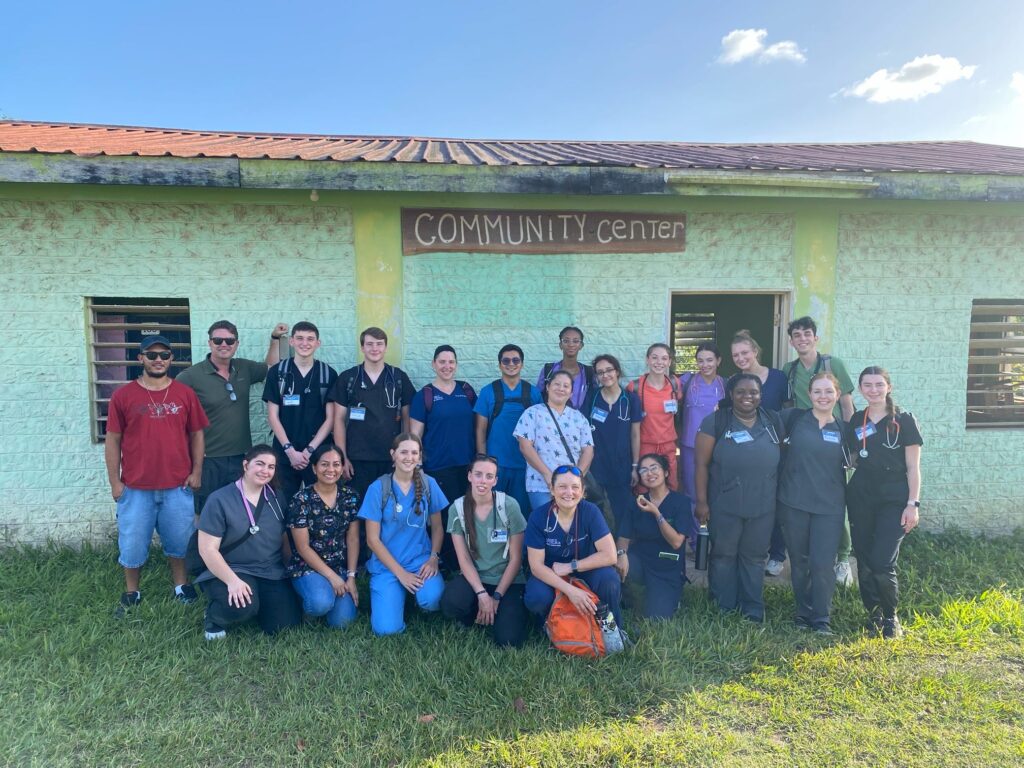
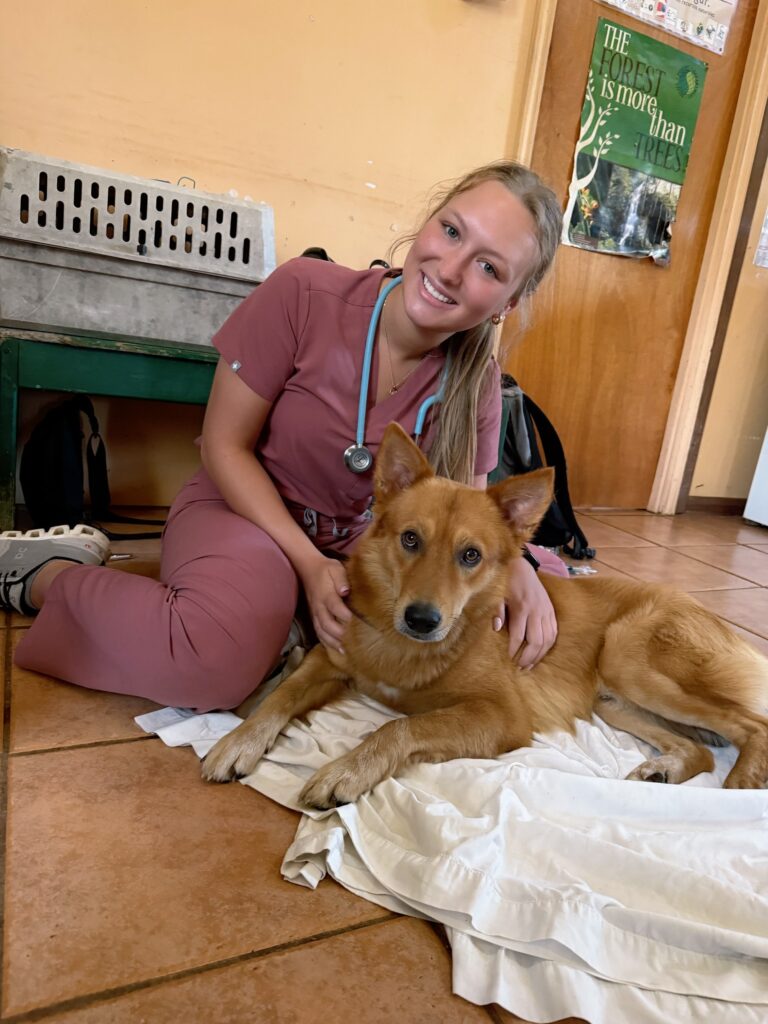
This quote can be found on the page for the UTK Small Animal Veterinary Experience (SAVE) program in Belize happening this summer. With an itinerary packed full of hands-on clinical practice experiences, including a spay and neuter clinic, physical exams, and a cat sanctuary, this opportunity allows students to explore real-life situations they’ll face throughout their careers.
Anna Richards, a senior animal science major on the pre-vet track, traveled to Belize as a part of the SAVE program. She attested to the importance of her experience, explaining what the opportunity provided for her, both clinically and personally.
“SAVE was extremely rewarding and impactful. The program gave me valuable hands-on veterinary experience, as assisting in surgery and monitoring anesthesia were first time opportunities that strengthened my clinical skills. Beyond the veterinary work, traveling through these communities and interacting with the people there broadened my global perspective, and was overall an experience that I will never forget.”
While students were able to see an outline of their schedule before departing on the program, there were still plenty of new and unexpected learning opportunities along the way. Richards suggested as much when looking back on what else she learned.
“During my program, I learned a lot about surgery that I did not expect. Since we were in a clinic with limited resources, we did not have the high-quality equipment that is normally used in the U.S. Instead, we had to rely on our foundational knowledge and what we had learned already from that trip to monitor our patients and make sure the surgery was successful.”
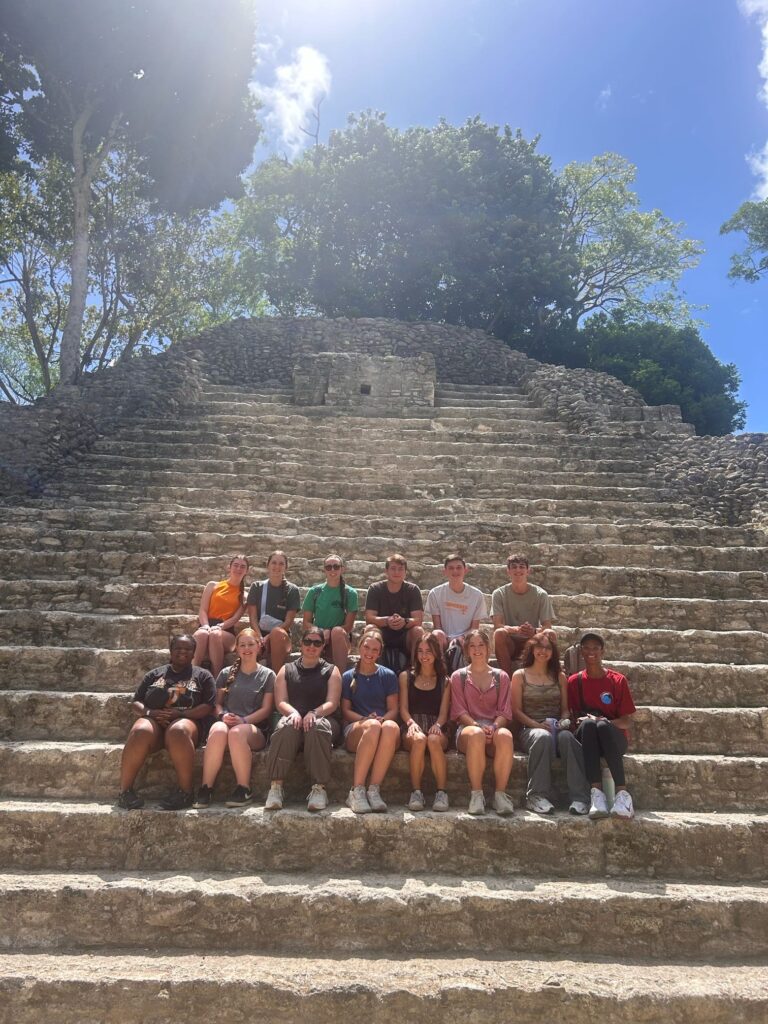
The program’s main focus is academic and clinical exploration, but it also offers students a range of cultural and explorative opportunities in Belize. Some of these activities included chances to go on cultural walking tours and Cahal Pech Archeological Site tours.
In addition, students got to choose what they wanted to do in their down time. Richards took this chance to further explore the vibrant culture of San Igancio, walking through the town’s market, restaurants, and nearby Mayan ruins.
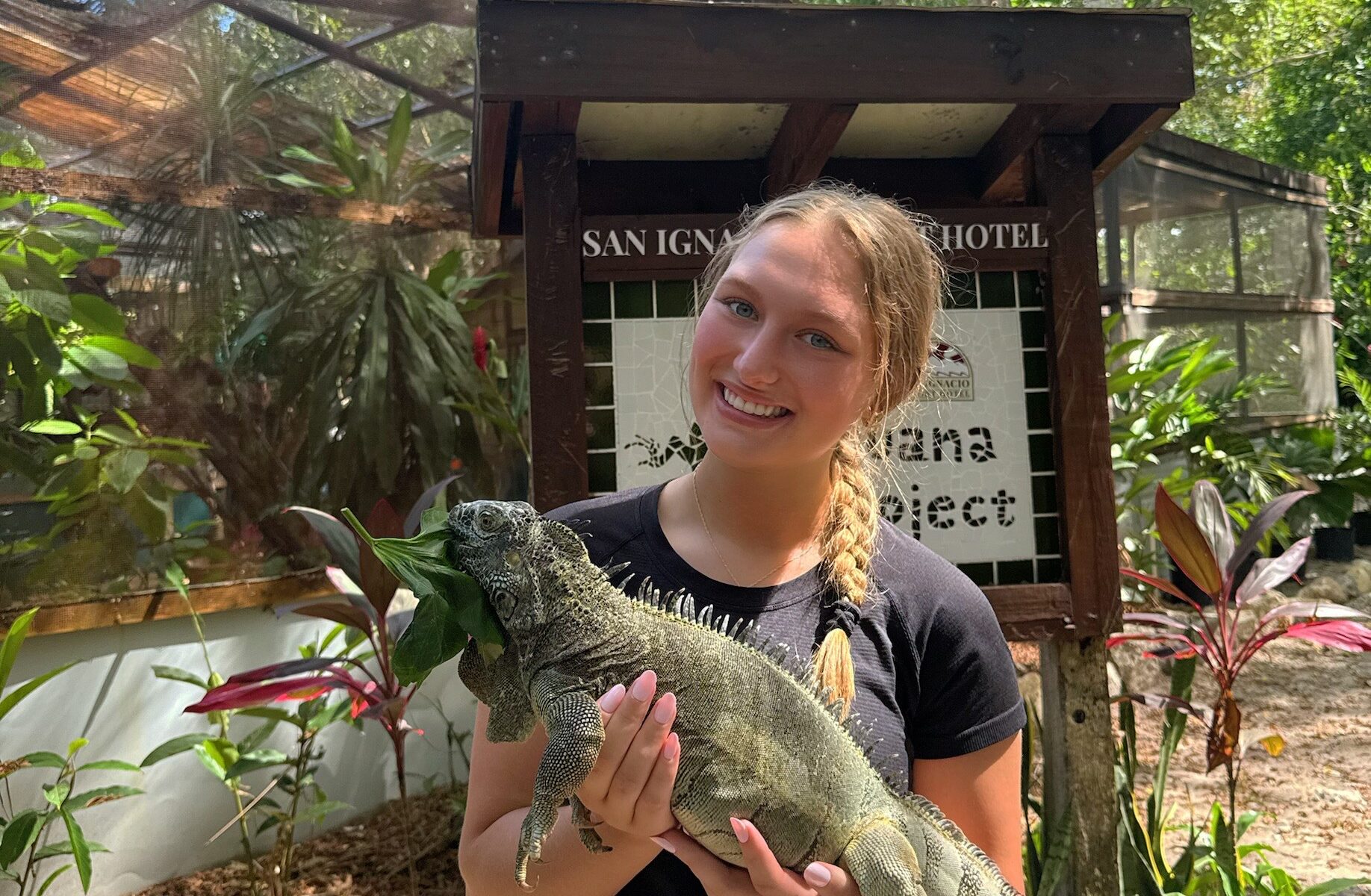
In Richards’ own words, “We spent a lot of time exploring the town and immersing ourselves in any ways we could. We spent early mornings walking around the market, buying fresh fruit for breakfast, had dinners in a new place every night, and even had time to check out Cahal Pech, a mayan ruin site, and a green iguana sanctuary. The people there were very happy to see us, and were very hospitable in welcoming and sharing their culture with us.”
The SAVE program is unique in that it creates the opportunity for students to try their hands in providing spay and neuter services, physical examinations, and medication to patients. Richards felt this study abroad experience allowed her to help the animal population in San Igancio. These services could be viewed as helping the community on a broader scale as well. After all, “The preservation of wildlife is not only essential for maintaining Belize’s natural beauty, but also for ensuring a future where animals and humans coexist in harmony.”
Richards also added that, “This program impacted my studies in a way that left more of an impression than just sitting in a classroom does. When I get into the topics in veterinary school that I learned in Belize, I know I will feel prepared and ahead of it due to the real-world experiences I’ve already had.”
As Richards mentioned, she felt the program provided her with valuable hands-on veterinary experience, in addition to rich cultural insight and a broadened perspective. Traveling to a new place, and taking the opportunity to learn from new people and perspectives is one of the most important aspects of study abroad programs like SAVE.
With this program, Richards and the other students will now have unique insights into their field that most veterinary students may never acquire. This experience has not only shaped their academic paths, but their careers and life views.