By Hans Goertz
University of Tennessee Institute of Agriculture (UTIA) recently concluded a two-way exchange with scientists from five African countries. Funded by the United Stated Department of Agriculture (USDA) Foreign Agricultural Service, this cycle’s Scientific Exchange Program (SEP) trained scientists from across the African continent on “animal feed and fertilizer innovation.” USDA placed these fellows for twelve-week fellowships at six land-grant universities last summer. UTIA received a cohort of six fellows from Algeria, Burkina Faso, the Gambia, Morocco, and Zambia in May 2024. The fellows were matched with UTIA faculty for one-on-one mentorships to strengthen their research skills and knowledge of the livestock sector. They also participated in a range of cohort activities, including site visits, field days, workshops, and conferences, before returning home August 2024.
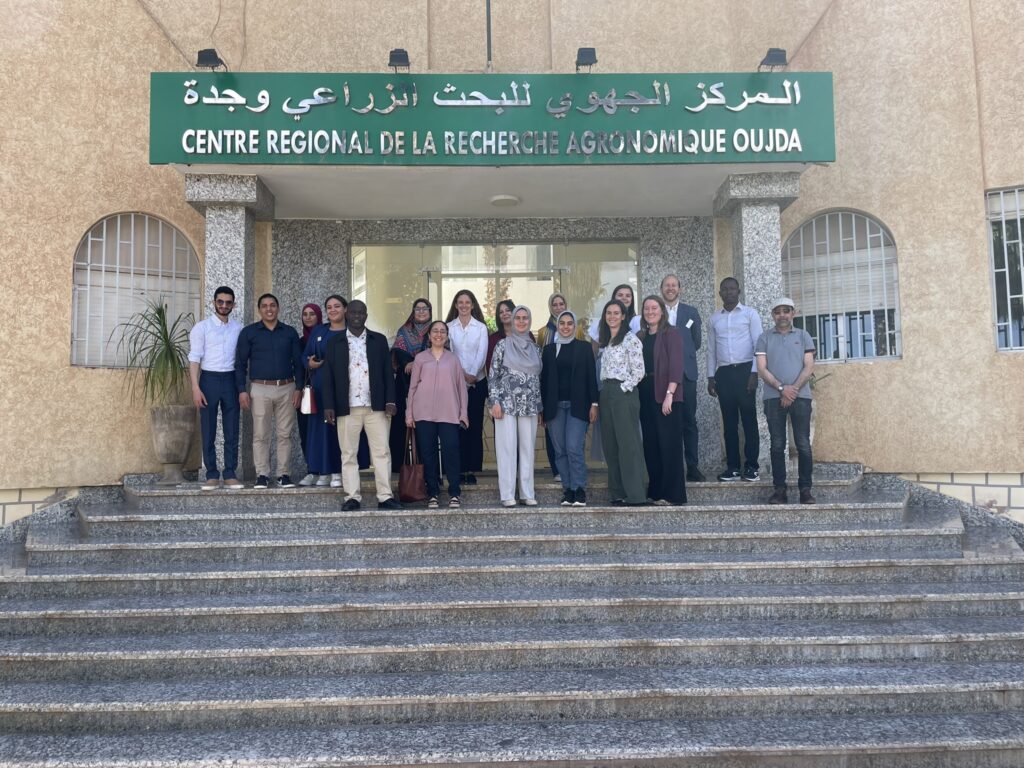
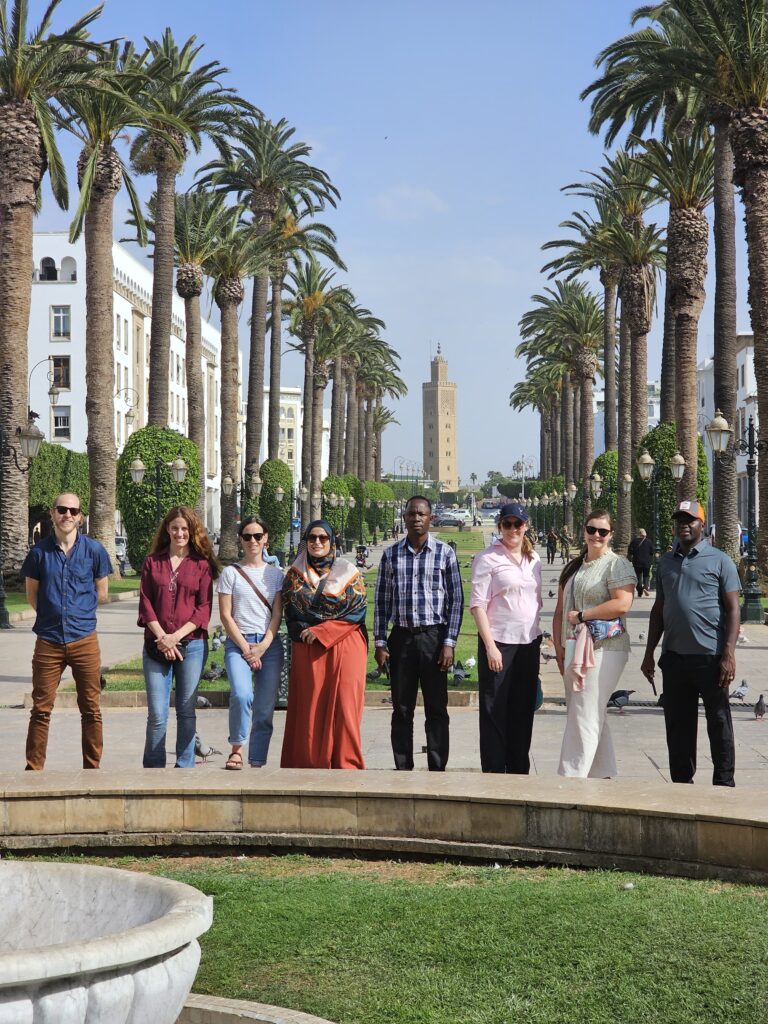
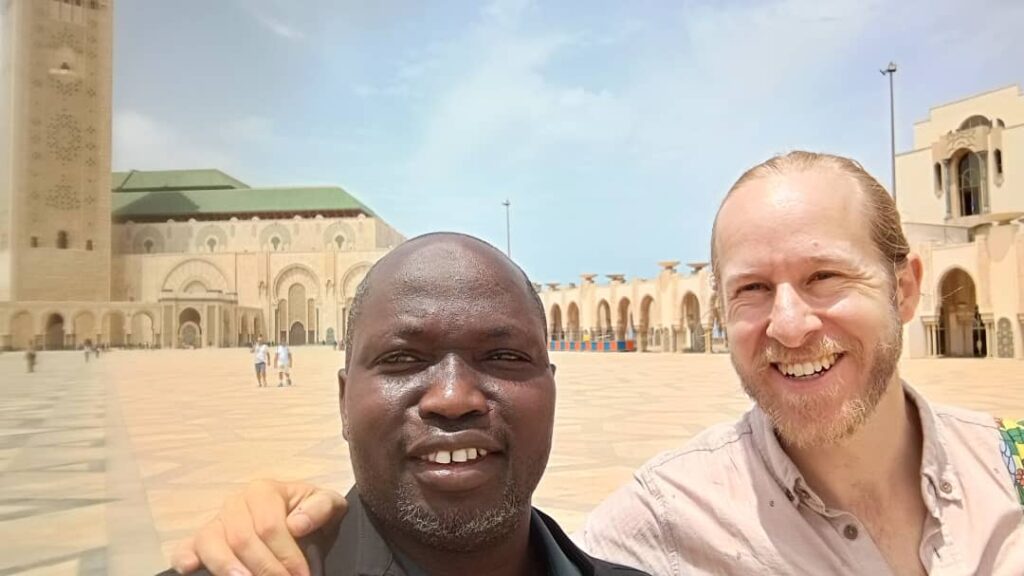
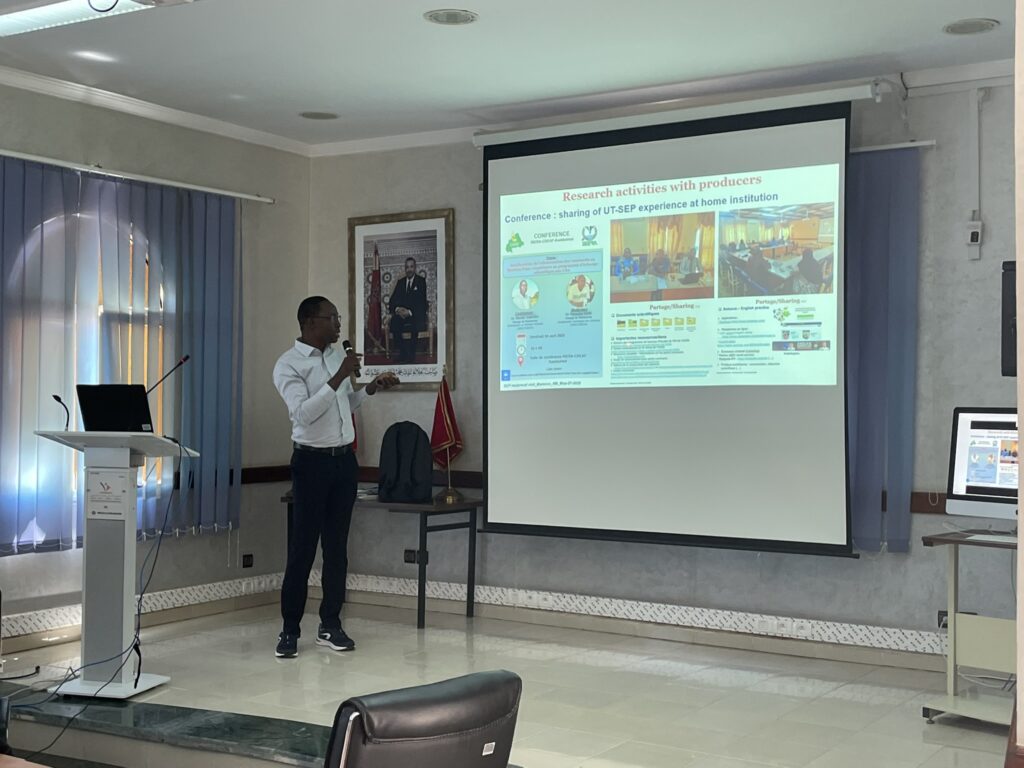
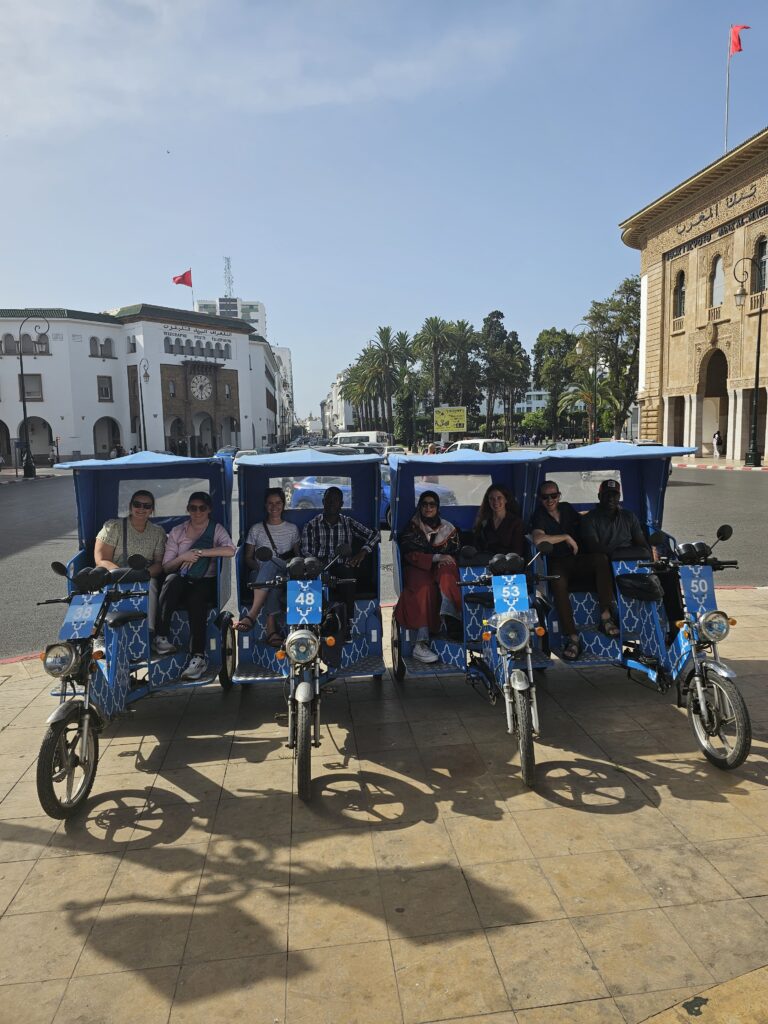
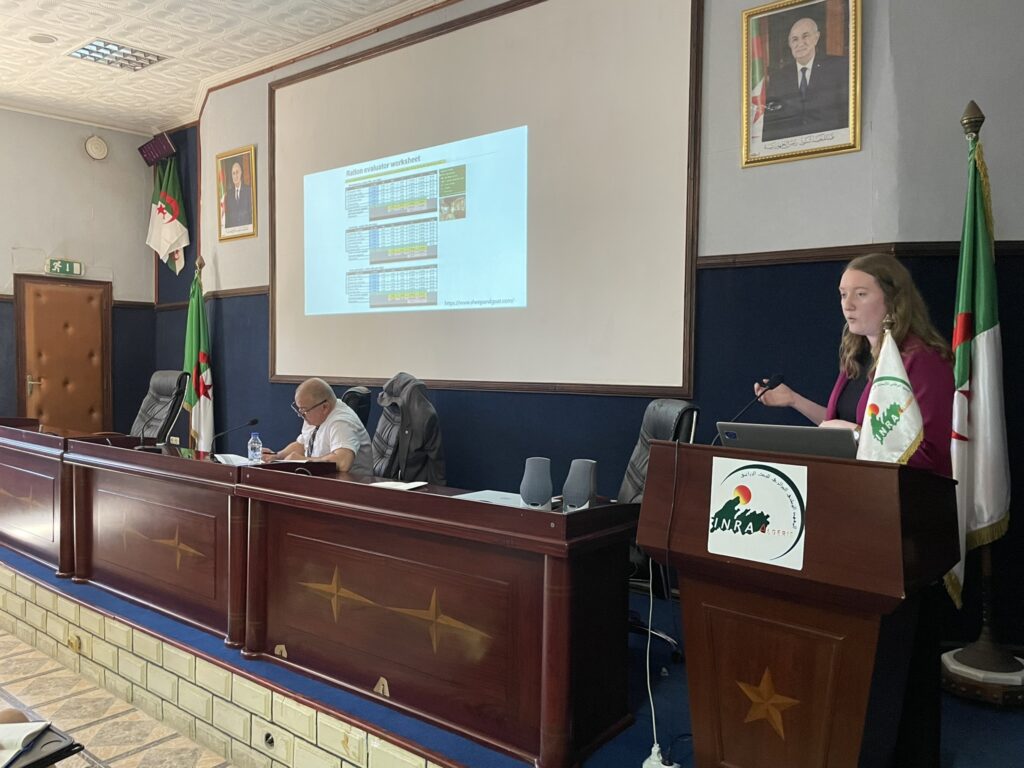
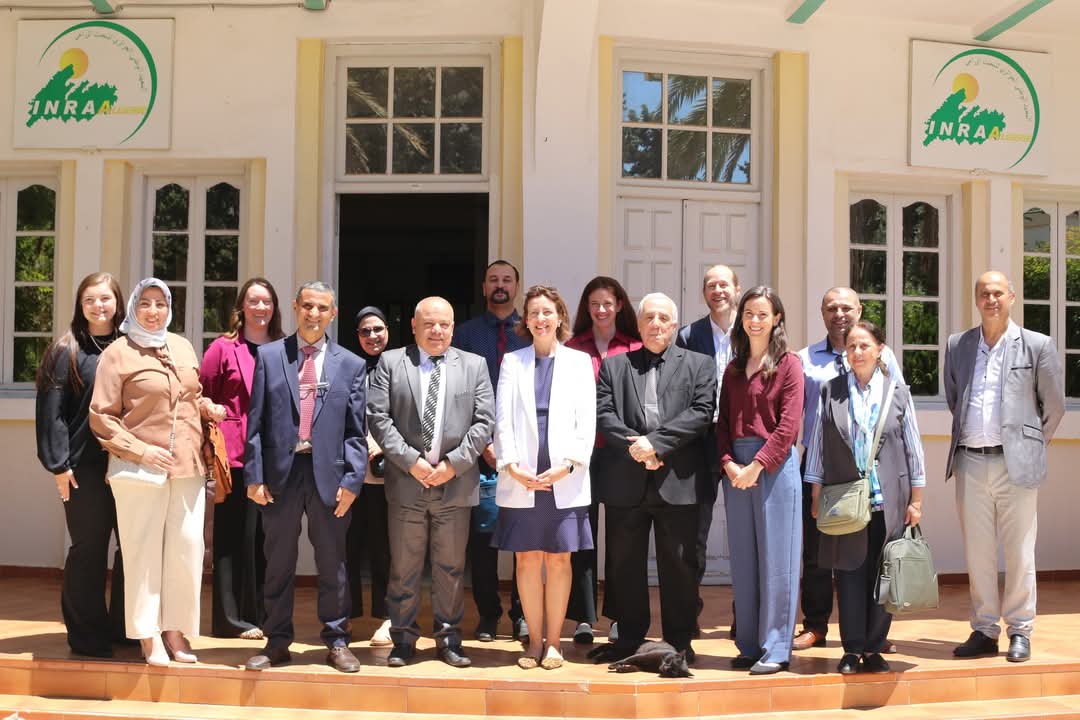
During summer 2025, UTIA mentors visited their SEP fellows in their home countries. In May, animal science professor, Tom Tabler visited Joseph Felix Chibanga in Zambia, in Central Africa. In June, I traveled to North Africa with a delegation of four faculty and staff: Katie Mason, Sonia Moisá, and Elizabeth Shepherd from the Department of Animal Science, and Malerie Fancher from the UT Beef & Forage Center. Together we visited Zahia Sebkhi and Boussad Belkheir in Algeria and Oumaima Mahir in Morocco. Our group was joined in Morocco by fellows Michel Kaboré from Burkina Faso and Ebou Jobe from the Gambia. These reciprocal visits provided an opportunity for mentors to check on fellows’ progress since returning home and support them to apply what they learned during the fellowship. We also used the occasion to develop new collaborations by organizing workshops with the Institut National de la Recherche Agronomique d’Algérie(INRAA) in Algeria and Institut National de la Recherche Agronomique (INRA) in Morocco.
The visits provided valuable context for understanding the constraints and opportunities faced by SEP fellows in their work. While Algeria and Morocco are middle-income countries which boast modern infrastructure, the state research facilities we toured featured limited or outdated equipment. For instance, we learned that one of Oumaima’s colleagues had to send a sample of a fungal pathogen abroad to the Netherlands for genetic sequencing. The colleague covered the significant cost out of his own salary, describing the expense as an “investment” in his career and vital to protecting the country’s stone fruit industry. At the same time, I was impressed how applied research was at INRAA and INRA. Both state institutions work closely with pastoralists, farmers, and agribusinesses to develop research-based solutions to pressing challenges in the agricultural sector. While INRAA and INRA lack the state-wide extension presence we enjoy in Tennessee, they manage to disseminate new information and practices through a network of regional extension agents, cooperatives, NGOs, and private companies.
We were able to observe the fellows at their home institutions in Algeria and Morocco during the trip. Some of the protocol and hierarchy that I had encountered in other countries were less prominent in their workplaces. Despite being junior members at their institutions, Zahia and Oumaima stepped into leadership roles in organizing the workshops and other activities for our visit. The fellows appeared more confident and enjoyed prestige among their colleagues for having participated in the SEP. Conversely, the fellows got to see our UT group in a foreign country, outside of our own comfort zone. The fellows were entertained when my French failed me and eager to introduce me to the sights, sounds, and tastes of their home countries. Flipping the script offered an opportunity to learn from one another and appreciate the challenge (and reward) that comes with new experiences. This perspective is invaluable as we return home and continue to interact with others from different backgrounds than our own in Tennessee.
Katie Mason, assistant professor in animal science, also reflected on what we all have in common. She shared the following experience from our trip:
“While attending a workshop in Morocco, I heard a presenter say, “A farmer is a herd manager, entrepreneur, nutritionist, botanist, and veterinarian.” The sentiment stuck with me because it’s true no matter where you are in the world.
On any continent, in any country, farmers face similar challenges—limited water and land resources, shifting climates, and the constant need to provide adequate nutrition for their livestock. They bear the responsibility of feeding their communities while striving for sustainable production systems.
But truly, what made this trip so special was the people. It was about building relationships with folks doing the same kind of work we’re doing. The hospitality and warmth we experienced from researchers and administrators, farmers, drivers, interpreters, and so many others are something I’ll never forget. These are people who care deeply about improving their communities and making a difference.
When we view our humanity and our work through a global lens, we see the common ground we share. We’re stronger—and wiser—for learning from one another and seeking solutions together.
I don’t think I have all the words I need to describe such a profound experience, but the simple words that have been bouncing around my head for the past two weeks are…
A farmer is a farmer is a farmer.”
We look forward to reuniting with the six SEP fellows again soon and learning how they are serving their communities and tackling these shared challenges.
Hans Goertz recently presented The Smith Center’s work at the UT Beef & Forage Center’s monthly program. #GrowGlobal and learn about A Global Perspective on International Agriculture by listening to his talk here!