One engaging presentation from an expert speaker with Q&A, topics, such as :
- Aquatic wildlife, conservation, and ecology issues in Yucatán
- Sustainable aquaculture, balancing economy and environment
- Mangrove ecosystem (with special reference to aquatic life and fish breeding) and the traditional practices of sustainable mangrove management
- Additional topics to be determined in consultation with UTK
Day trip to Chichén Itzá including:
- Professionally guided tour to explore the renowned Mayan archaeological site Chichén Itzá, and learn about Mayan ancient history and heritage.
- A stop to Yokdzonot cenote to Refresh in the blue waters of the cenote and tasting delicious Yucatecan delicacies for lunch.
Two-night excursion to Rio Lagartos, San Felipe and Akumal including the following co-curricular and cultural activities:
- Boat tour through the mangroves in the Rio Lagartos Biosphere Reserve renown for its variety of birds, flamingos and other wildlife
- Seine Net activity at Rio Lagartos (all necessary equipment will be provided by faculty, no funds have been included for this activity)
- Sport fishing activity at sea in San Felipe, a 5 hour expedition at sea with local fishermen, an occasion to interact with them and learn how sport fishing is practiced in the Yucatán coast. This activity is subject to weather conditions favorable for navigation.
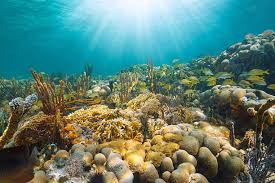
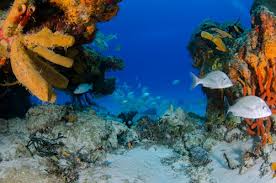
- Snorkeling in Akumal, one hour snorkeling activity to get the opportunity to observe coral reefs, manta rays and especially swim with sea turtles in their natural habitat
Explore the rich aquatic ecosystems of the Yucatán Peninsula through this immersive study abroad program focused on Neotropical Fish Ecology and Conservation. The Yucatán Peninsula, home to an incredible diversity of freshwater and marine habitats—including cenotes, coastal lagoons, mangroves, and coral reefs—provides a unique setting to study the biodiversity, ecology, and conservation of neotropical fishes.
Students will engage in hands-on field research, learning fish sampling techniques, biodiversity assessment methods, and conservation strategies directly in the field. The program will also examine the region’s fisheries, from artisanal and commercial practices to aquaculture operations.
Beyond fieldwork, students will experience the cultural richness of the Yucatán, a region known for its deep Maya heritage, vibrant coastal communities, and commitment to sustainable resource management. Interactions with local fishers, conservation practitioners, and researchers will provide valuable insights into the social and economic dimensions of fisheries and conservation in the neotropics.
This program is ideal for students interested in fisheries science, ecology, conservation biology, and sustainability, offering a unique opportunity to study in a biologically and culturally significant region while gaining practical field experience in aquatic ecology.
Course Dates: May 26 – June 4, 2026
Application Deadline: February 1, 2026
Course: AGNR 491, 3 Credits
Course:
AGNR 491: International Experience in Agriculture: Ecology and Conservation of Neotropical Fishes in Mexico – 3 credit hours
This study abroad course explores the biodiversity, ecology, and conservation of freshwater and marine fishes in the neotropics, with a focus on Mexico’s diverse aquatic ecosystems. Students will gain hands-on experience in fish sampling techniques, biodiversity assessments, and conservation strategies for both freshwater and marine environments. The course also examines the role of fisheries—both commercial and artisanal—as well as aquaculture practices for food production and the ornamental fish trade. Through fieldwork, case studies, and discussions with local experts, students will develop a comprehensive understanding of the ecological and socio-economic factors influencing fish populations and fisheries management in the region.
Learning Outcomes
- Understand the biodiversity and ecological roles of freshwater and marine fishes in the neotropics.
- Analyze the conservation challenges faced by fish populations due to habitat loss, climate change, overfishing, and other anthropogenic factors.
- Examine the structure, sustainability, and management of commercial and artisanal fisheries in Mexico.
- Explore the economic and ecological impacts of aquaculture, including its role in food security and the ornamental fish trade.
- Engage with local communities, researchers, and conservation practitioners to understand regional conservation efforts.
Academic Information
Two academic visits:
- PIECEMO, the Program of Research in Ecology and Cultivation of Ornamental Marine Species of National Autonomous University of Mexico (UNAM) in Sisal to learn about their current projects and collaborations focussing on marine ornamentals with special focus on species from the Gulf and Mexican Caribbean Sea
- Acquaculture farm in Santa María Acú (Halachó, Yucatán) to observe modern efforts to combine traditional knowledge with innovative fish farming techniques for sustainable aquaculture.
- Open to all majors with preference given to 1) students in Fisheries and Wildlife Management, and 2) students in the Herbert College of Agriculture
- Minimum 2.0 cumulative GPA at time of application and until program departure
- At least Freshman standing
- Must be in Good Academic Standing and Good Conduct Standing with The University of Tennessee.